Domestic
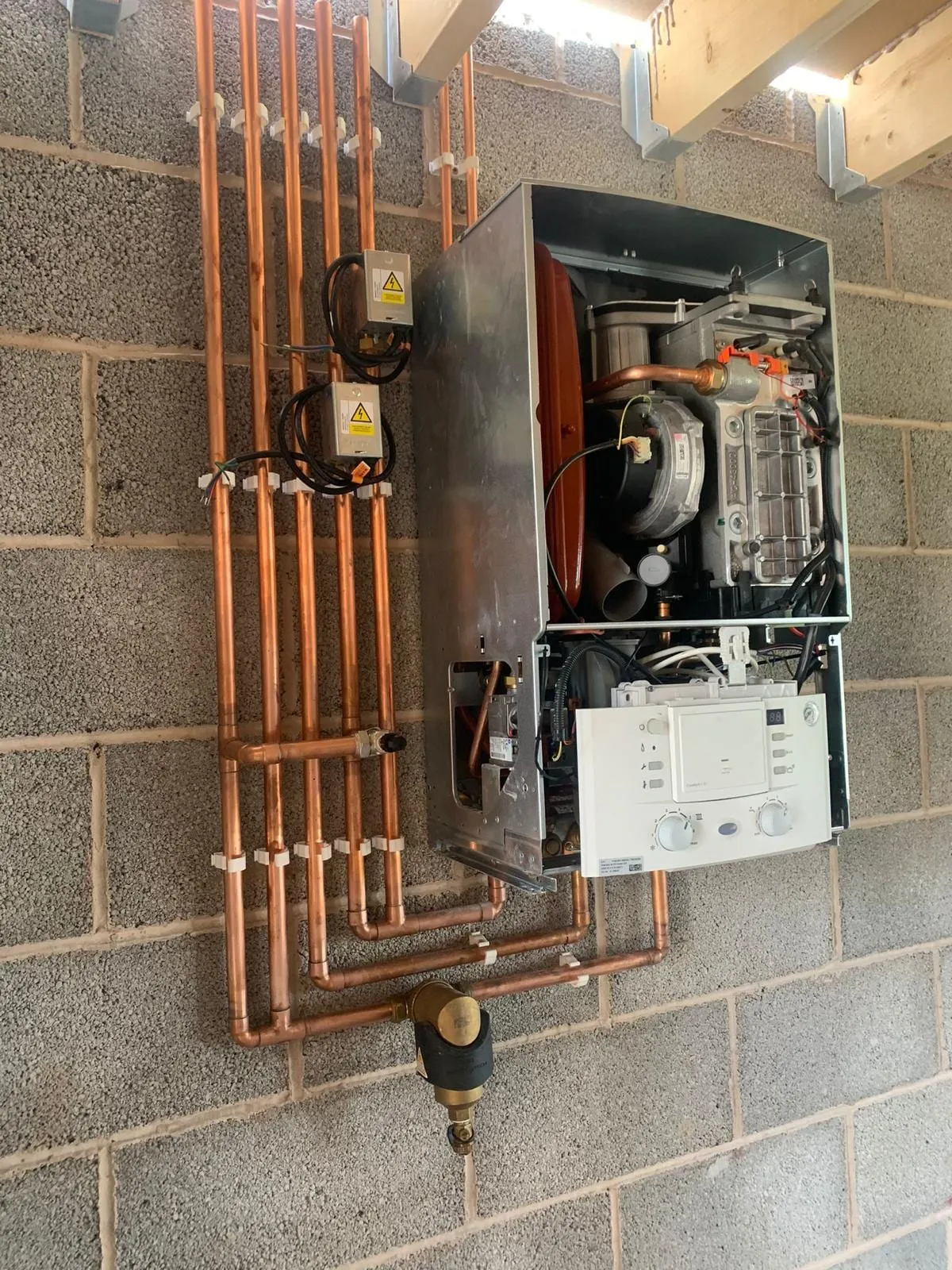
Boiler servicing
The annual service most manufacturers ask for, and the one that catches the faults that turn into a January breakdown.
Gas Safe registered · SafeContractor approved
07305 938327
Domestic
Swapping tired radiators for new ones, moving them, or adding a rail where there was never one.
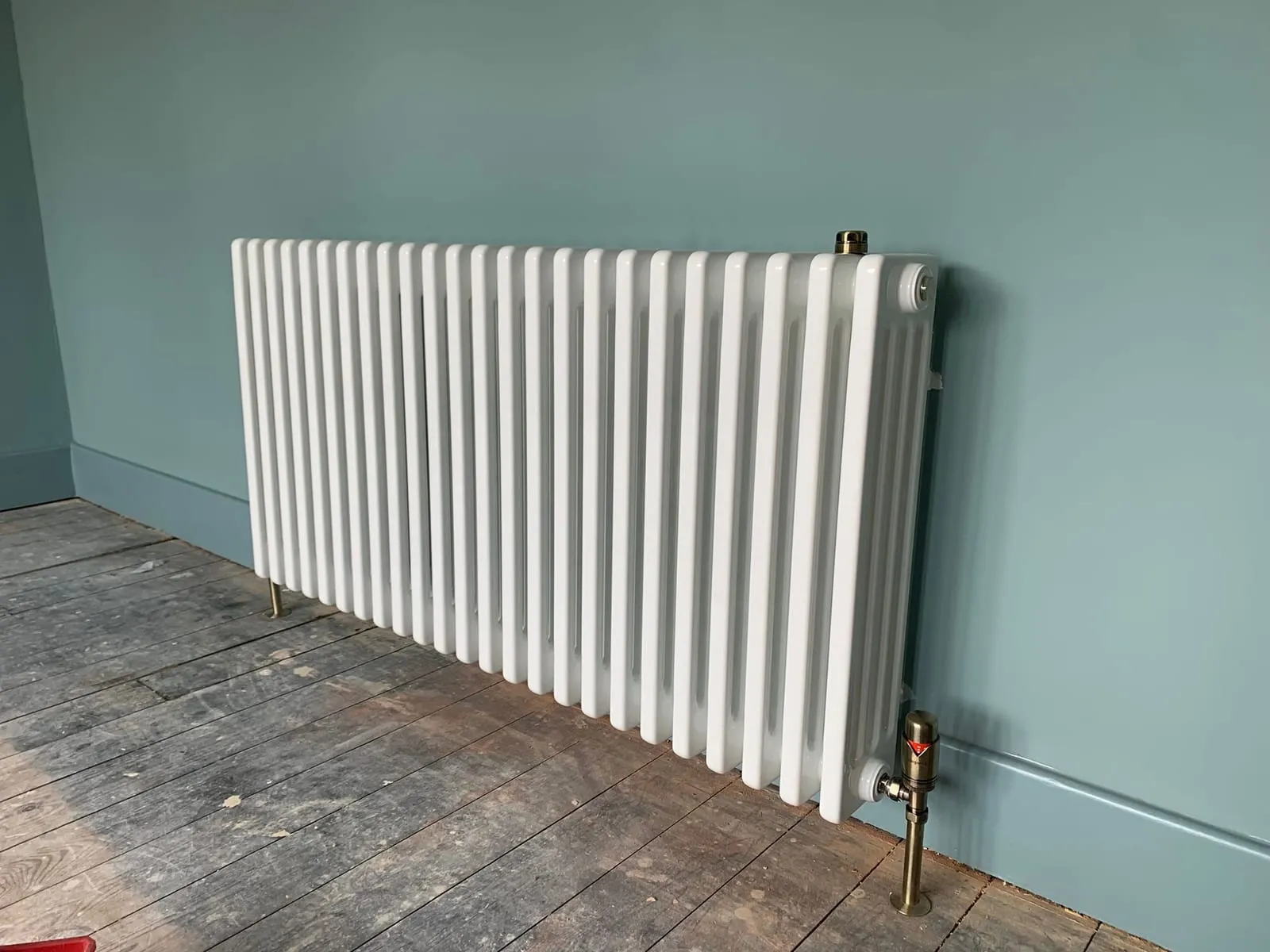
Replacing a radiator sounds simple until the system has to come apart. We swap tired radiators for new ones, move them to a better wall, add heat to a room that never warms up, and fit towel rails in bathrooms — then balance the system so every room gets its share. Domestic work across Nottingham and the surrounding area.
Most straight swaps start with isolating the radiator at both valves and draining it into a bucket or a hose run to a drain. If the valves are seized or weeping, or the tails have corroded, the system comes down instead — which means draining the heating, doing the work, refilling, venting the air out and re-dosing the inhibitor.
The new radiator goes on brackets fixed to whatever the wall actually is: masonry, dot-and-dab plasterboard, or a stud partition that may need noggins behind it. Pipe centres rarely match between old and new, so tails get cut and remade to suit. We fire the system up, check the joints under pressure, vent the new unit, and agree with you on the day whether the old radiator goes with us or stays for you to deal with.
A radiator gets two valves: a thermostatic valve on the flow so the room can regulate itself, and a lockshield on the return, which is the one that sets how much water the radiator is allowed to take. Bathrooms are often the exception, because a TRV sat in a steamy room reads the air badly, so a manual valve is usually the better call there. Straight, angled or corner valves depend on where the pipe comes out of the floor or the wall.
Sizing is the part that gets skipped. A radiator should be picked for the heat the room loses, so its output has to suit the floor area, the ceiling height, the external walls, the glazing and the insulation — a slim designer panel that looks right on the wall can quietly be too small to warm the space. Two radiators of the same physical size can have very different outputs, so we work from the output figures rather than the dimensions.
Once everything is on and full, the system is balanced: lockshields adjusted so the radiators nearest the boiler do not take all the flow and the far ones warm up too. Skip that and you get a hot hallway and a cold back bedroom, which is usually the thing people were trying to fix in the first place.
Moving a radiator to another wall means new pipework, and how disruptive that is depends on the floor. Suspended timber floors can often be fed under the boards with the carpet lifted and relaid afterwards; a concrete slab with screed over it means either chasing the screed or running the pipe another way, and that is a decision worth making before anything gets lifted.
Adding a radiator adds load, so it is worth checking that the boiler and the existing pipework can carry it before we commit to a position. First fix is the pipework, testing and making good the route; second fix is hanging the radiator, fitting the valves, filling and commissioning. We will tell you up front what the floor and the walls will look like at the end, and where making good is our work and where it is a plasterer's or a floor fitter's.
Usually yes. If both valves shut off cleanly, we isolate that radiator, drain just it and make the swap. If a valve is seized or passing, or the tails have corroded into the body, the system has to come down and then be refilled and re-dosed with inhibitor. We will tell you which it is once we can see the valves.
Cold along the bottom is usually sludge and debris settled inside, often stirred up when the system was last drained. Cold across the top is usually air trapped in the panel. Hot at the valve end and cold at the far end is more often flow: a lockshield barely open, or debris restricting the radiator. Both are worth looking at properly rather than bleeding it again, because a system throwing debris into radiators will keep doing it.
Sometimes, but not always. It depends on what the room actually loses through its walls, windows and floor, and on whether the system is balanced and the boiler is running at a sensible flow temperature. We would rather work out the output the room needs than fit a longer radiator that ends up with the same problem.
It depends on the radiator and valves you choose, whether the system needs draining down, and whether any pipework has to move. We work on a completely open and transparent pricing system, so you are made aware of the rates and how we work at the time the job is booked. If pipes are moving under a floor, we would want to look at it before quoting.
Also from us
Domestic
The annual service most manufacturers ask for, and the one that catches the faults that turn into a January breakdown.
Domestic
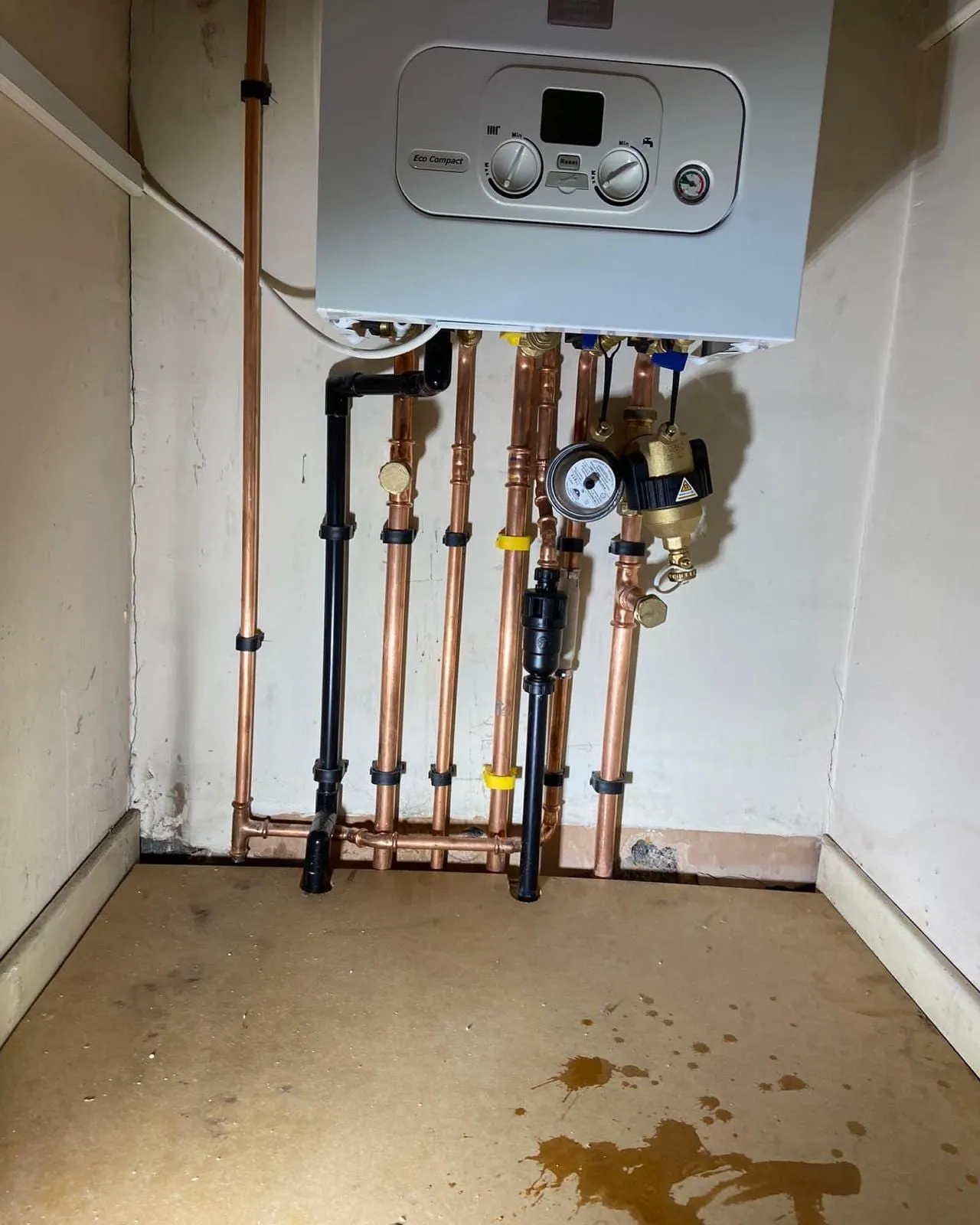
Fault-finding and repair on gas boilers — no heating, no hot water, pressure loss, lockouts and error codes.
Domestic
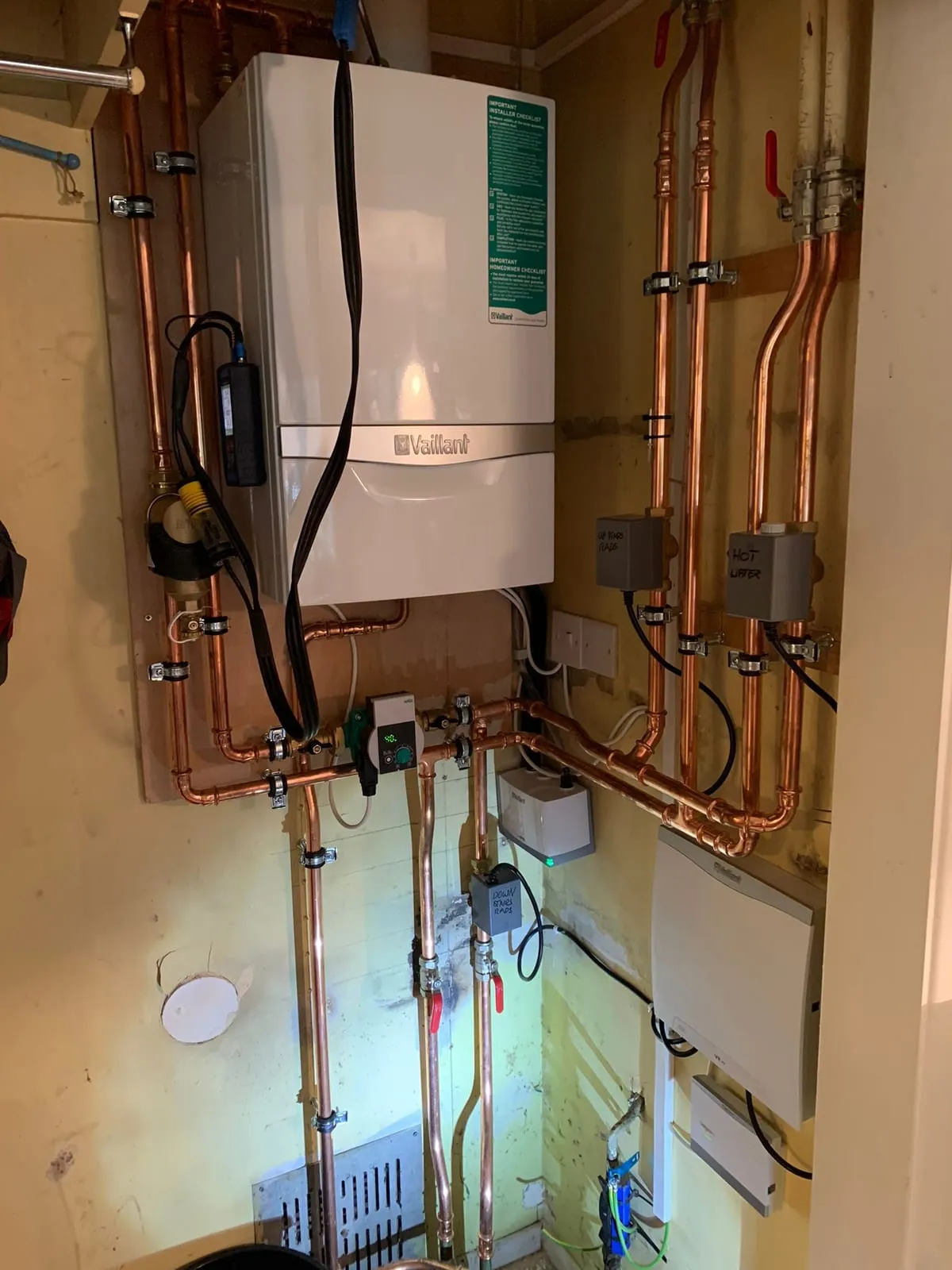
The annual CP12 every rented property needs by law, with the record produced on the visit.
Tell us what has gone wrong, or what you are planning. We will tell you what it takes and what it costs before any work starts.